
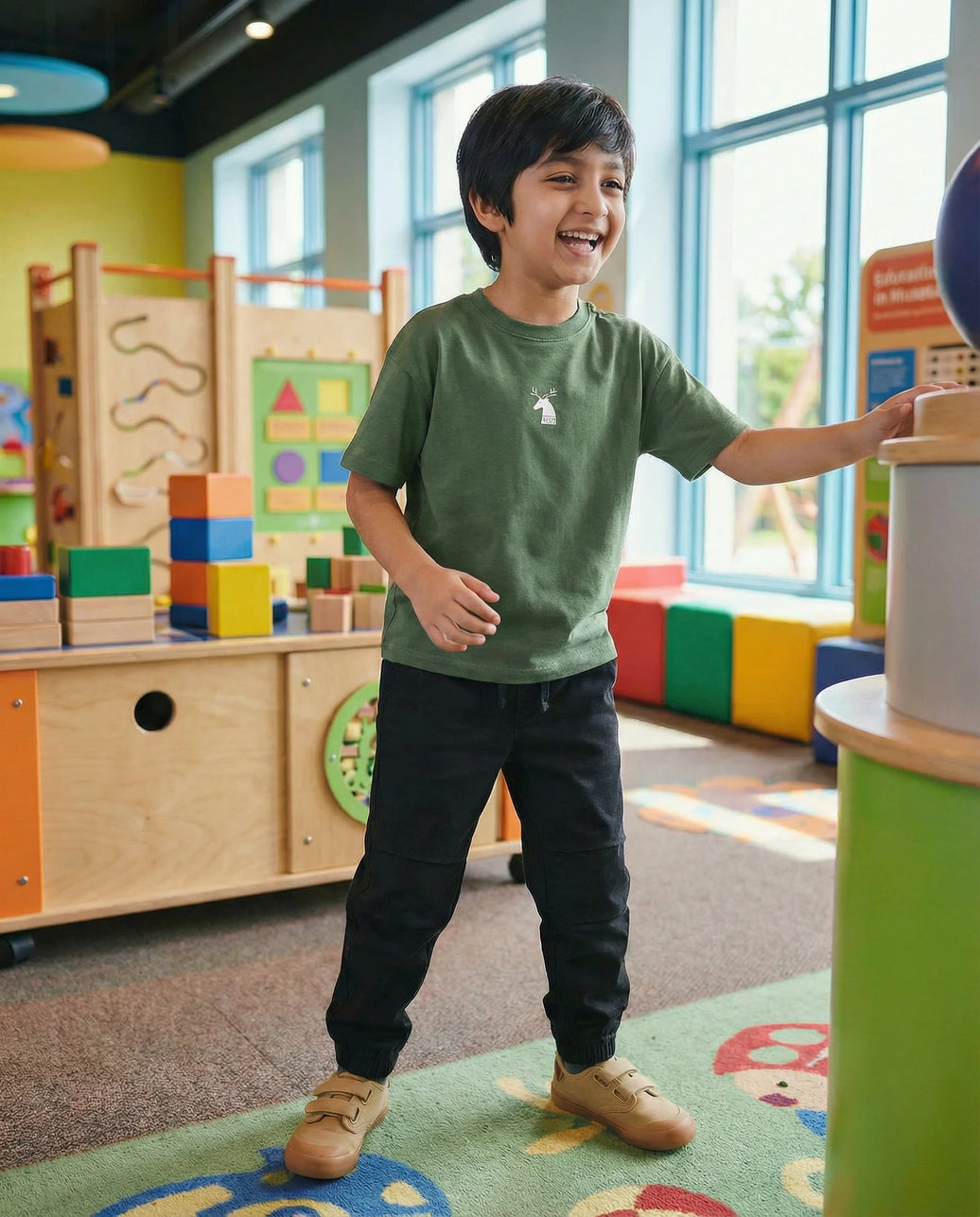
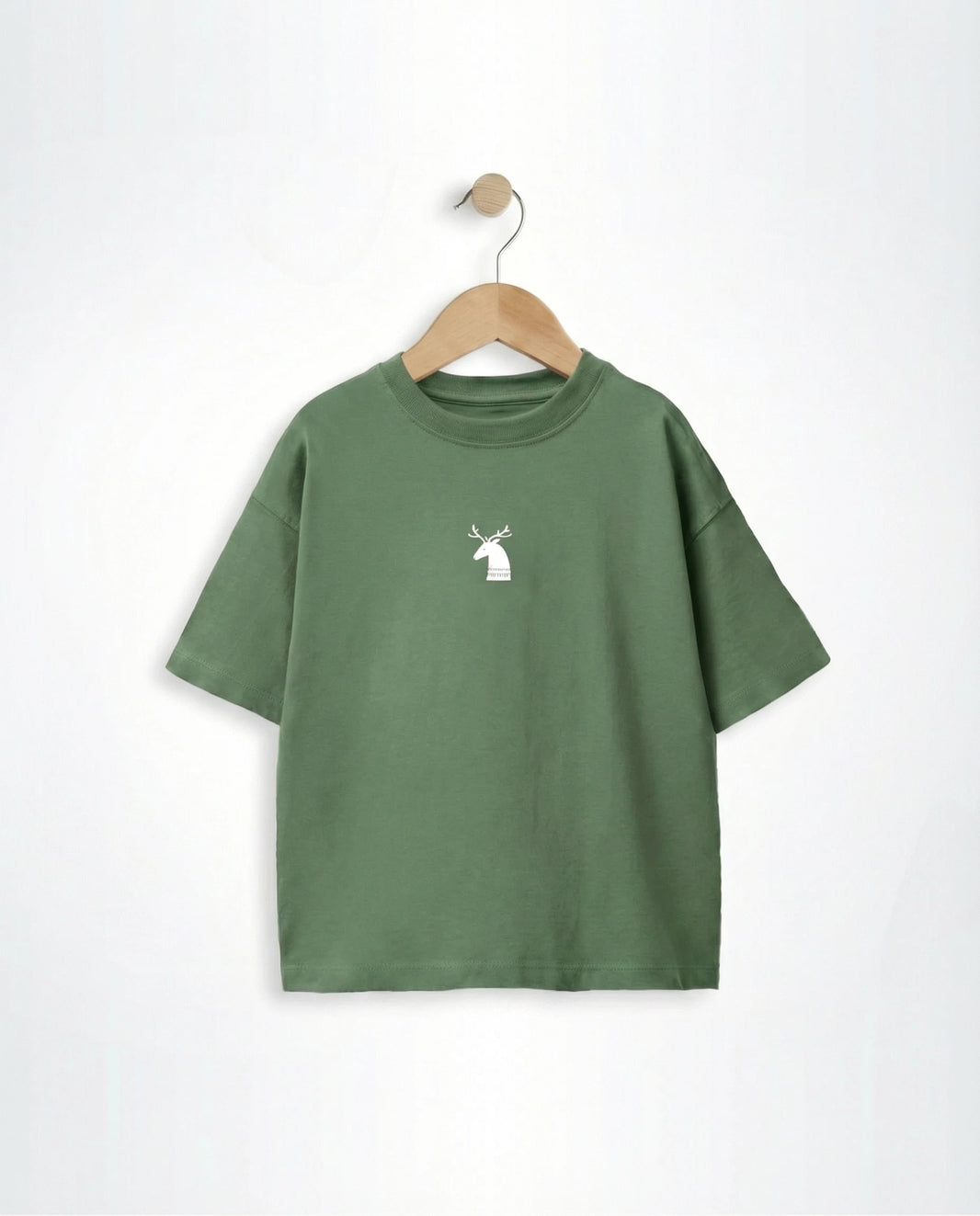
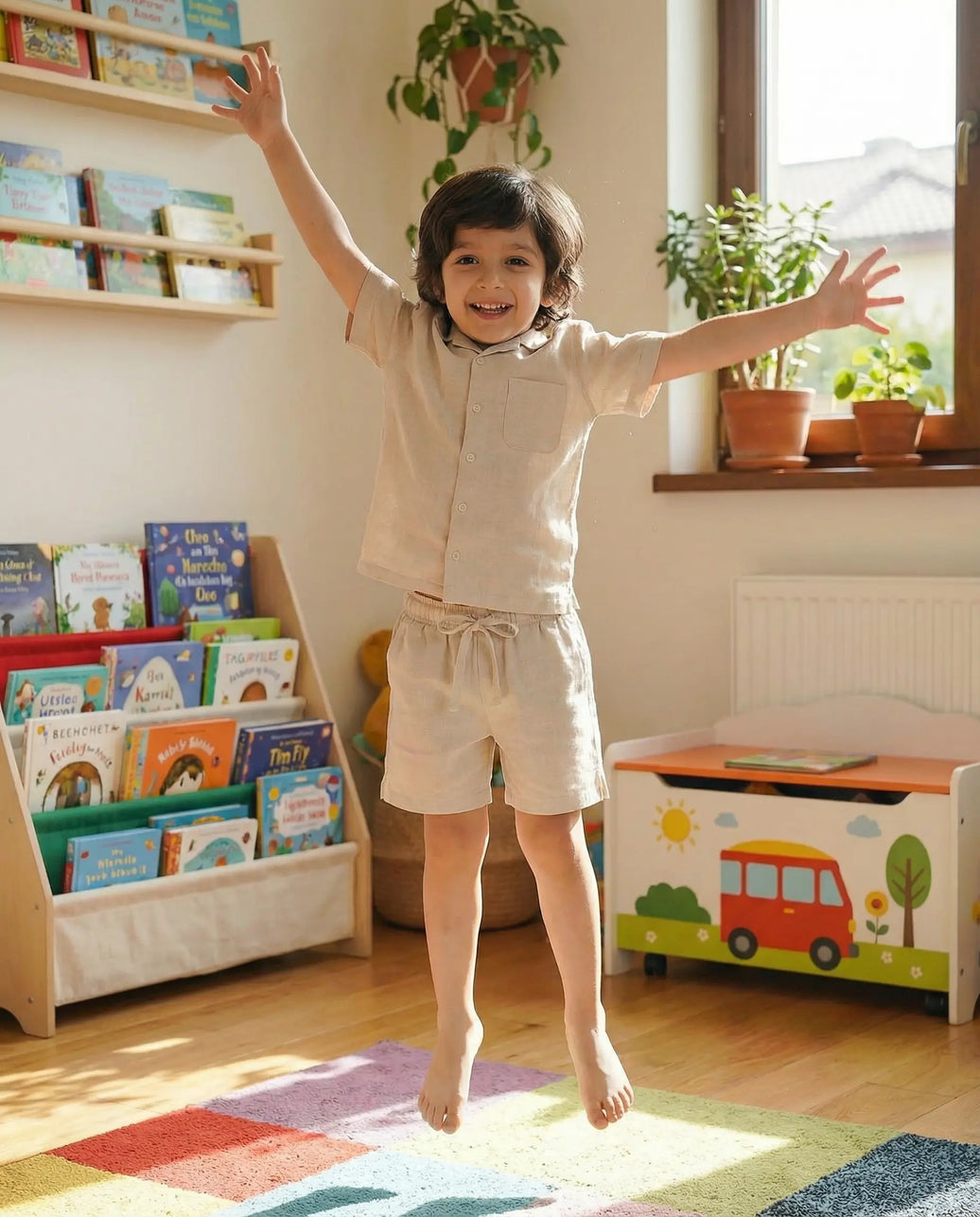
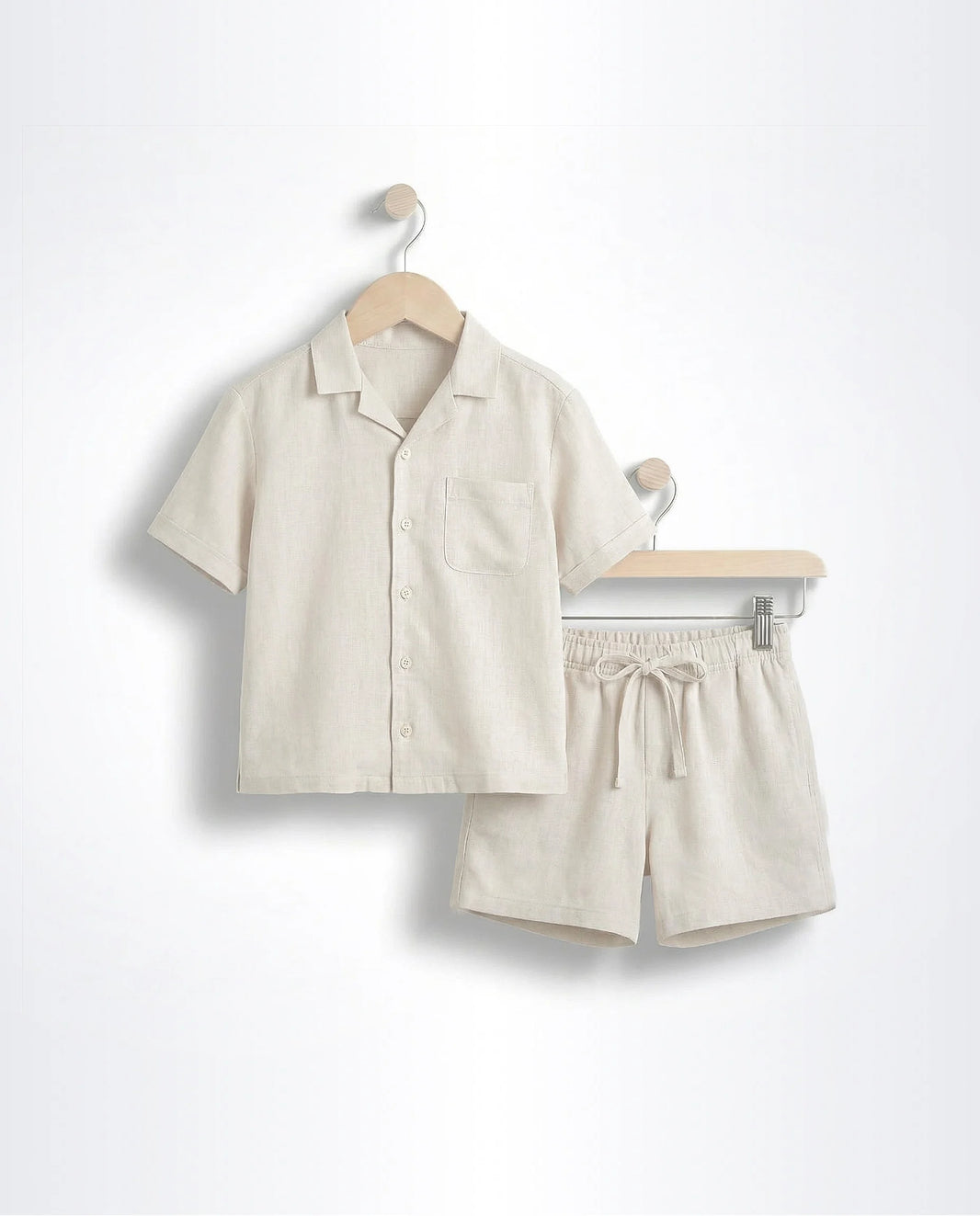
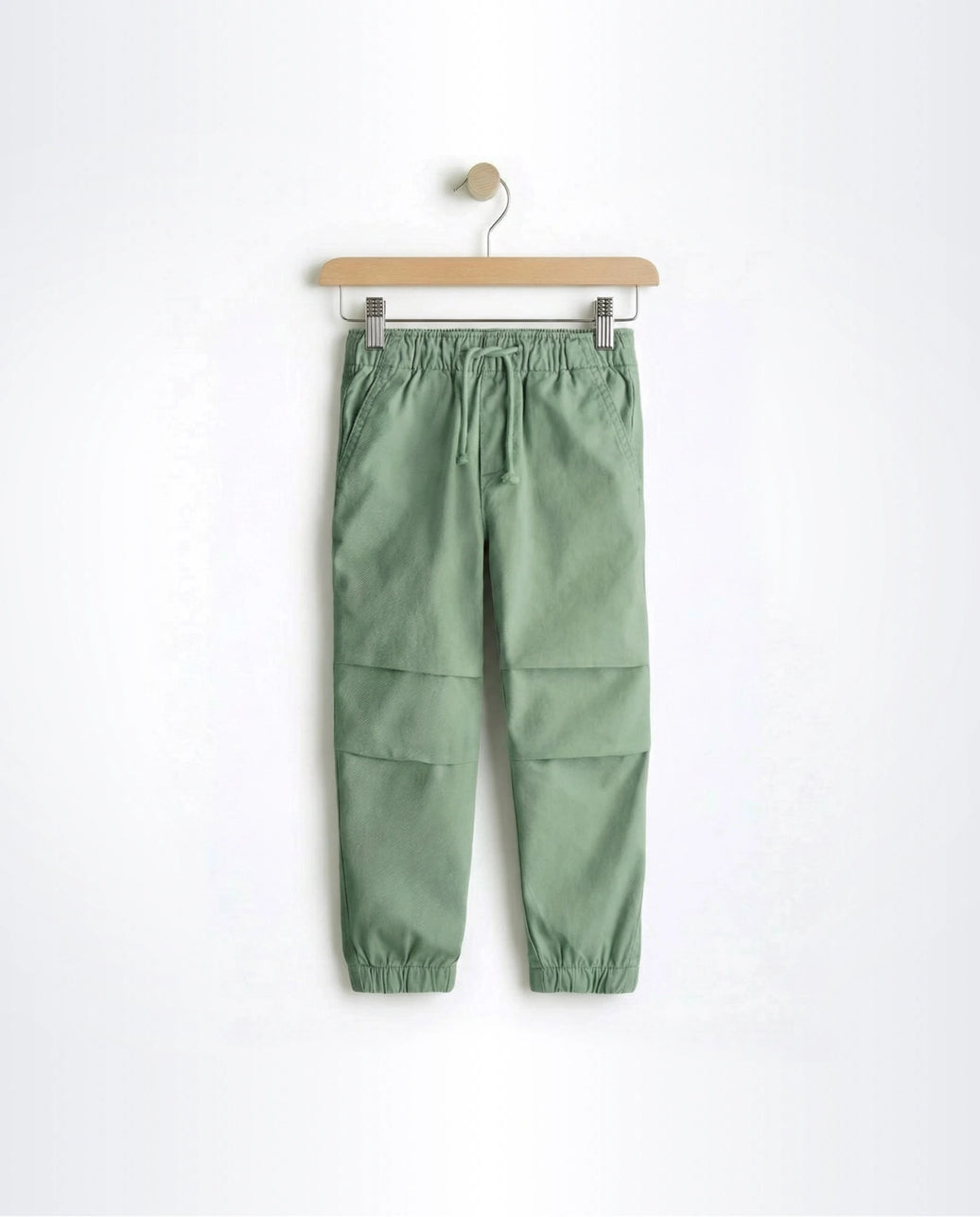
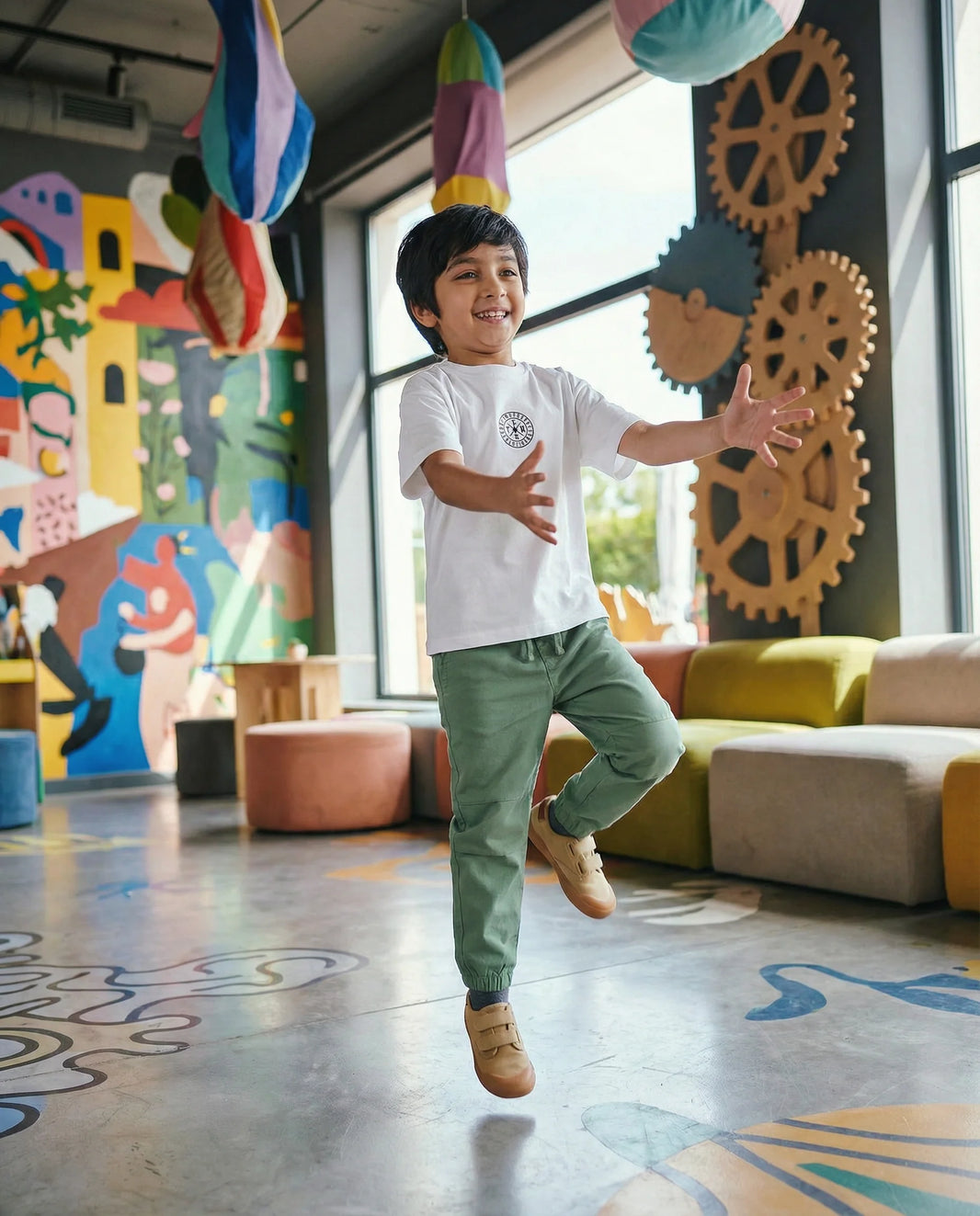
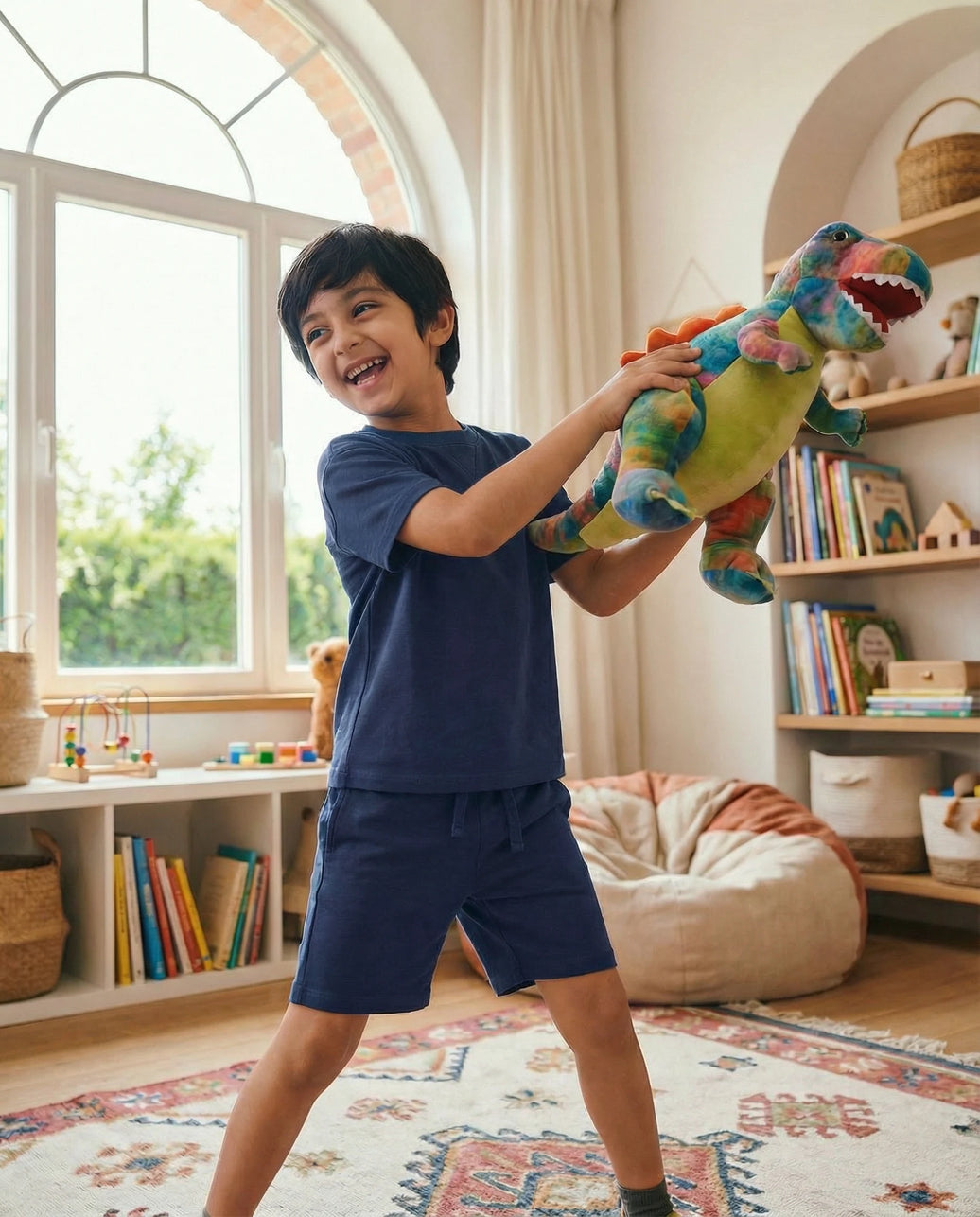
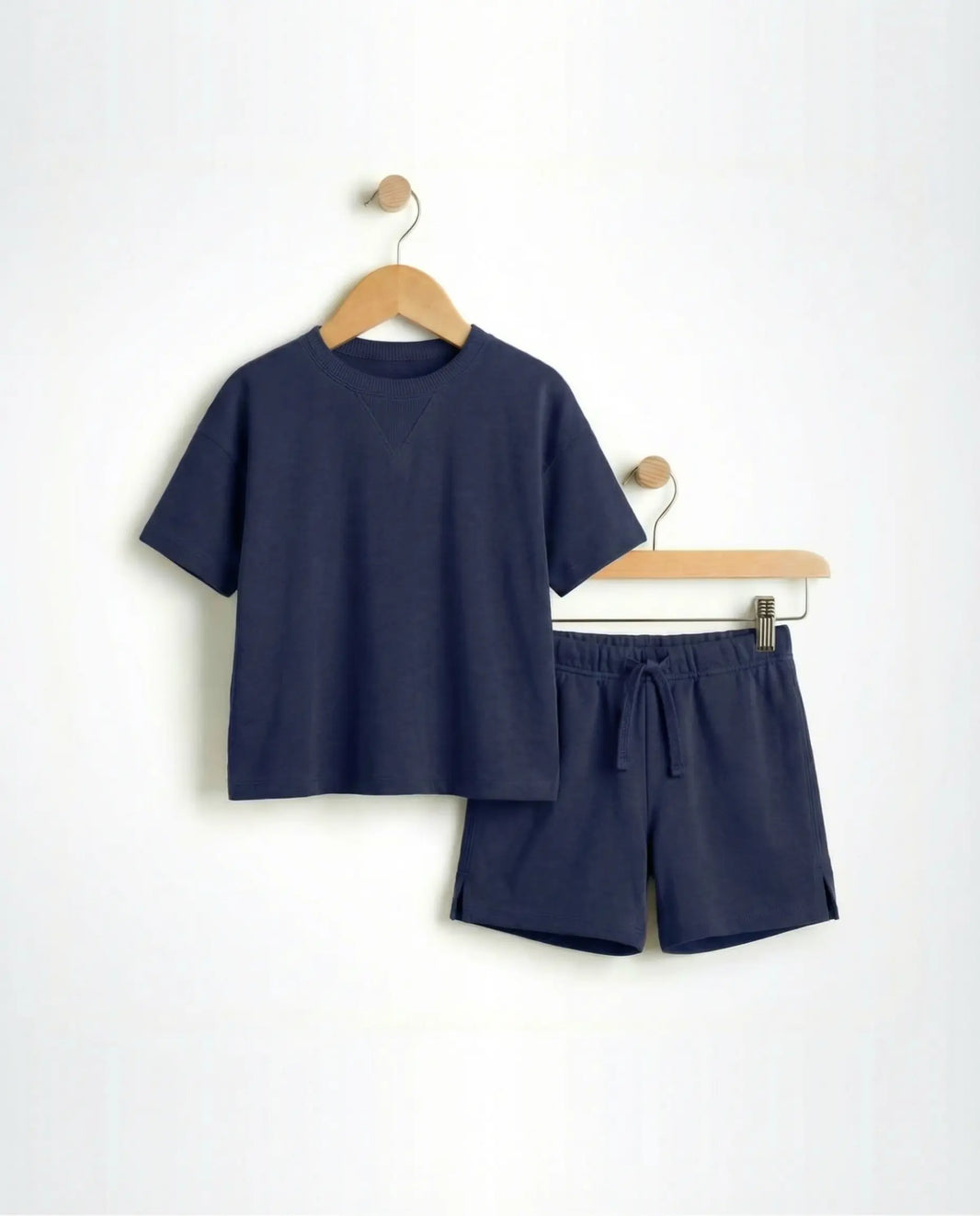
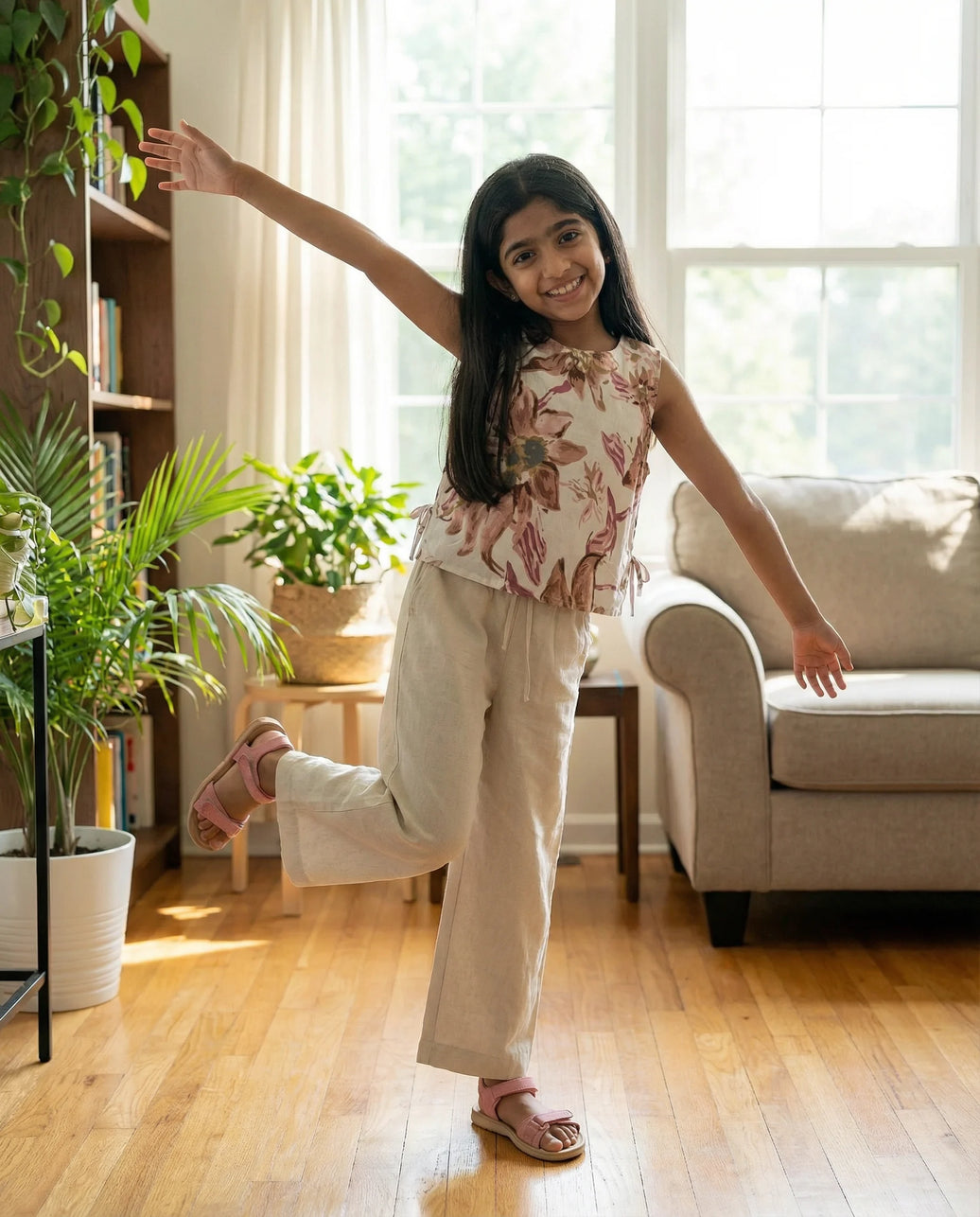
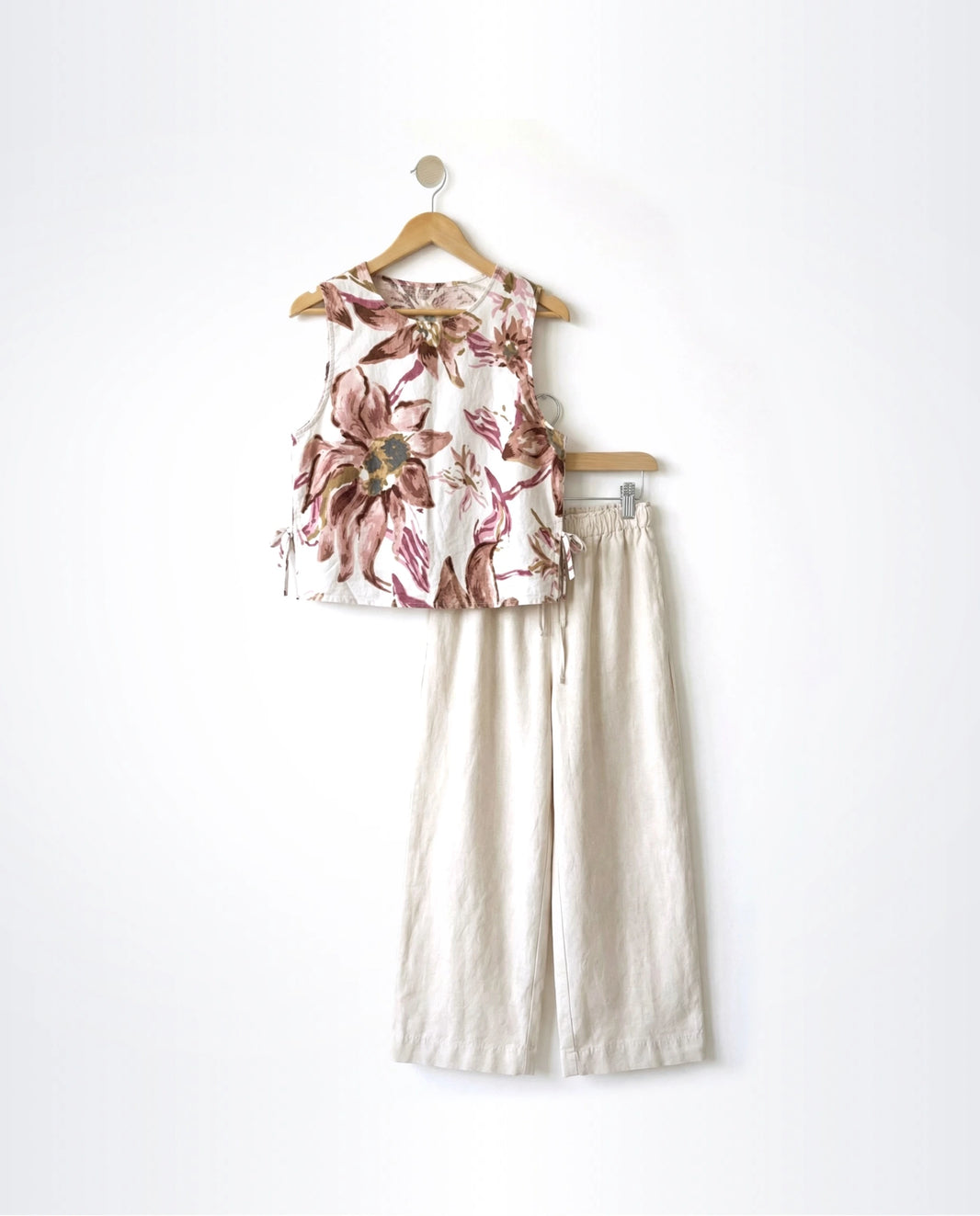
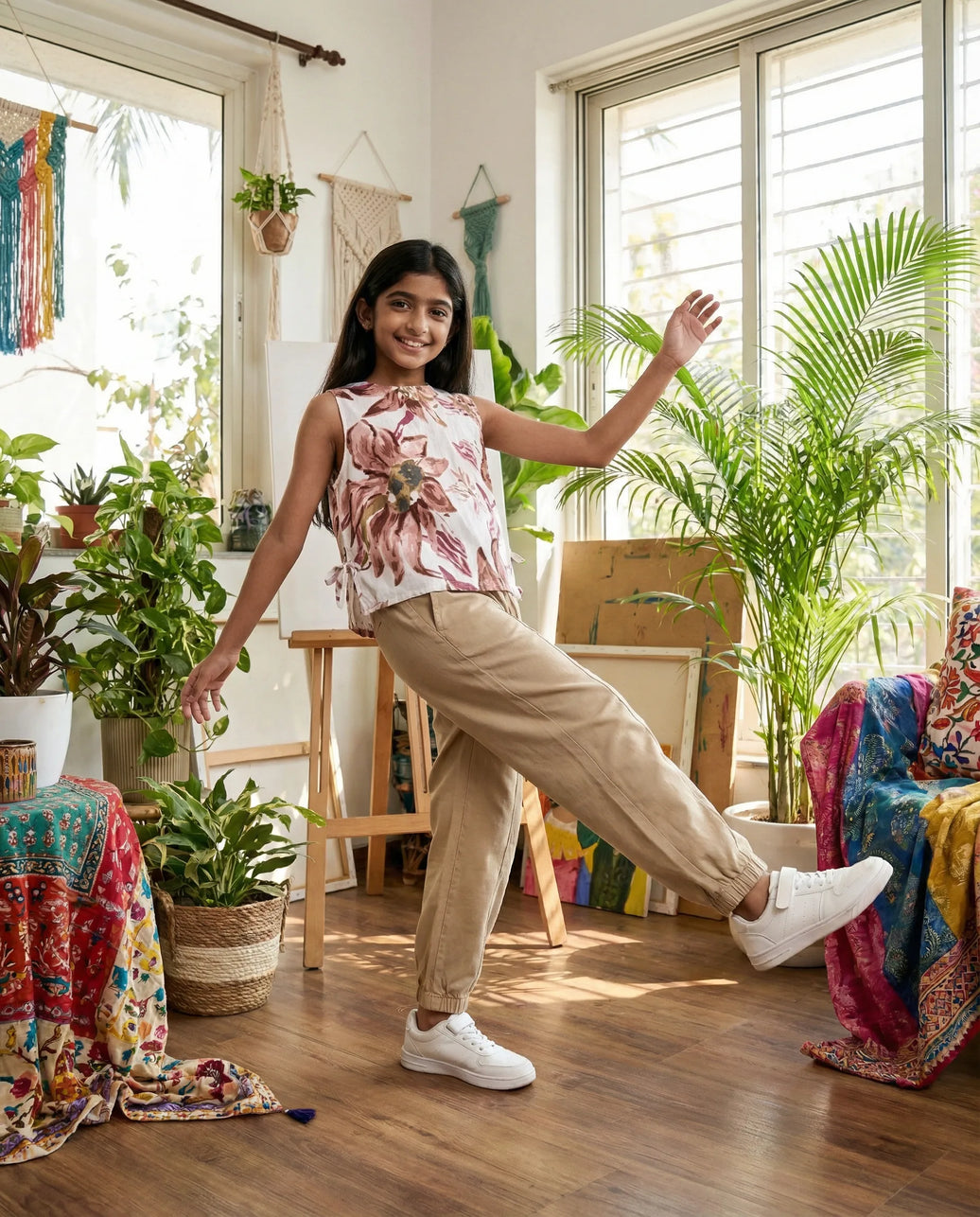
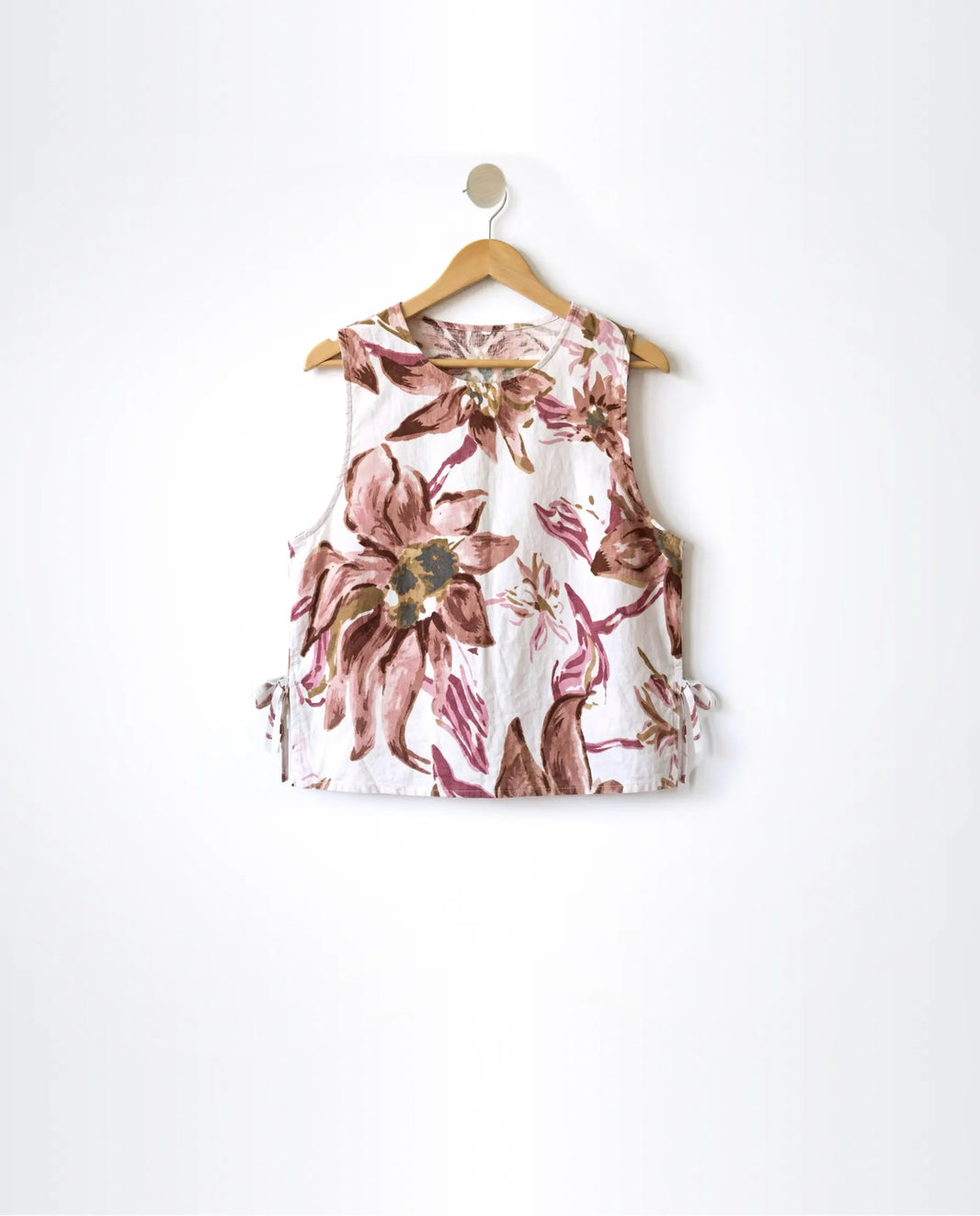
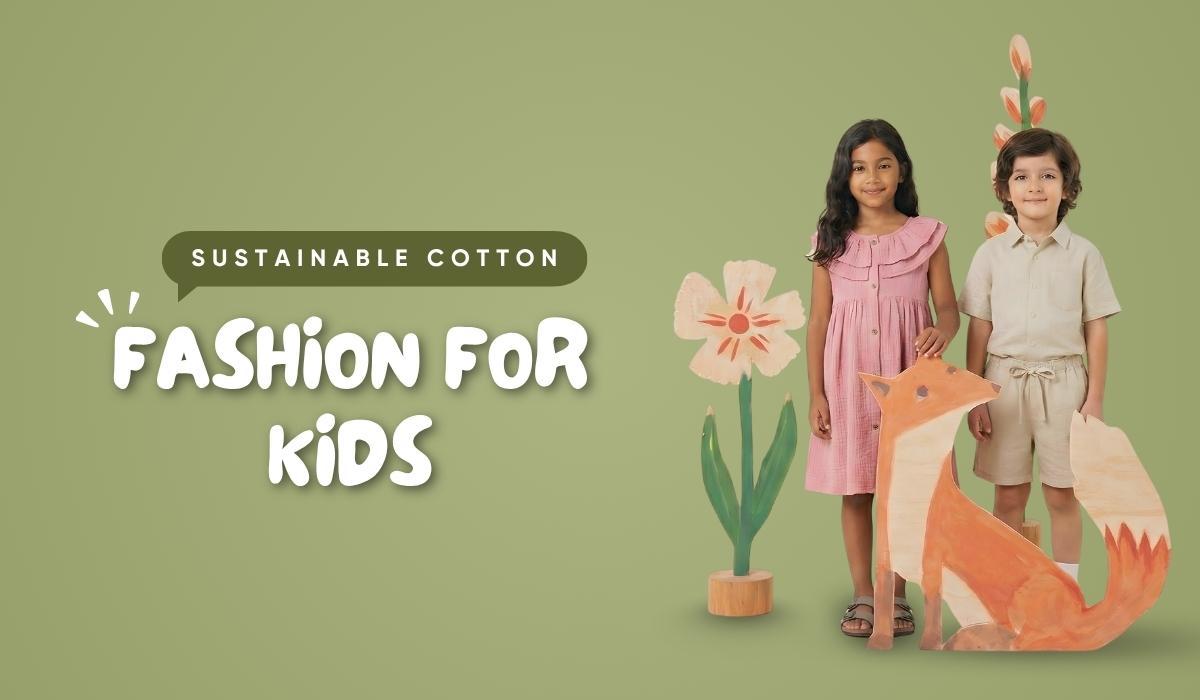
Introduction: Why Sustainability Matters in Children's Fashion
Children's clothing sits at a surprising crossroads of health, ethics, and environmental responsibility. While parents spend more time than ever researching what their kids eat and which products touch their skin, the fabrics in their wardrobe often go unexamined.
That needs to change. The global children's apparel market was valued at USD 250 billion in 2024 and is projected to reach USD 340 billion by 2030. Cotton leads that market, commanding over 55% of total revenue due to its comfort and skin-friendly properties. But not all cotton is created equal, and the difference matters far more for children than for adults.
Parents are paying attention. According to industry data, approximately 78% of parents globally express concern over toxic residues in conventional children's clothing. Organic cotton apparel brands for children grew by 22% globally in 2023-2024 as that concern translated into buying decisions.
In India specifically, the kidswear market is projected to grow from USD 10.60 billion in 2024 to USD 16.60 billion by 2033 at a 5.11% CAGR, with 80% of Indian parents willing to pay more for eco-friendly children's products.
This guide explains what sustainable cotton actually is, what it does for your child's body and our shared environment, and what to look for when building a conscious wardrobe.
2. What Is Sustainable Cotton?
The term 'sustainable cotton' is broader than organic. It covers any cotton grown and processed with meaningful reductions in environmental harm, chemical use, water consumption, and social exploitation. In practice, it breaks into a few distinct categories.
The Main Types of Sustainable Cotton
|
Type |
How It's Grown |
Key Certification |
|
Organic Cotton |
No synthetic pesticides, fertilisers or GMO seeds. Relies on crop rotation and natural inputs. |
GOTS (Global Organic Textile Standard), USDA Organic |
|
Better Cotton (BCI) |
Allows limited pesticides and GM seeds under Integrated Pest Management guidelines. Focuses on water stewardship and farmer livelihoods. |
BCI Mass-Balance Chain of Custody (not fibre-level traceable) |
|
Recycled Cotton |
Made from pre- and post-consumer textile waste. Avoids new cultivation entirely. |
GRS (Global Recycled Standard) |
|
Conventional Cotton |
Grown with heavy synthetic pesticides, fertilisers and large-scale irrigation. Most common in fast fashion. |
None |
For children's wear specifically, GOTS-certified organic cotton is the gold standard. The certification covers not just the farming stage but the entire supply chain from field to finished garment, prohibiting toxic dyes and harsh chemical finishes at every step.
3. Environmental Benefits of Eco-Friendly Fabrics
Conventional cotton is one of the most resource-intensive crops on earth. Despite occupying only about 2.5% of global agricultural land, it accounts for 16% to 25% of the world's pesticide use. The environmental case for switching to sustainable cotton is backed by hard numbers.
|
Impact Category |
Conventional Cotton |
Organic Cotton |
|
Water Use |
Up to 91% less under rain-fed conditions |
|
|
Greenhouse Gas Emissions |
High - synthetic nitrogen fertilisers release nitrous oxide |
|
|
Carbon Footprint |
Baseline |
|
|
Energy Demand |
High due to synthetic input production |
|
|
Soil Health |
Degraded over time from chemical overuse |
Maintained through crop rotation and natural inputs |
It is worth noting that 100% cotton is not automatically sustainable. As explained by fabric researchers, the label '100% cotton' only tells you the fibre content, not how it was grown or processed. A conventionally grown cotton shirt uses the same fibre but carries a vastly larger ecological footprint. The origin and certification matter as much as the material itself.
The consequences of unsustainable cotton farming extend beyond pollution. The rapid depletion of the Aral Sea, once the world's fourth-largest inland sea, is a well-documented result of water-intensive conventional cotton farming in Uzbekistan. Its volume has reduced by 90% in less than one generation, causing biodiversity loss and an ongoing ecological crisis.
4. Health and Comfort Advantages for Kids
Children's skin is not just more delicate than adult skin. According to the American Academy of Pediatrics, it is also approximately 30% thinner, which makes chemical absorption a real concern. Residues from synthetic dyes, pesticides, and formaldehyde-releasing finishes in conventional fabrics can penetrate skin more readily in children, especially infants and toddlers.
Why Organic Cotton Works Better on Children's Skin
-
No pesticide residue: Organic cotton is grown without synthetic pesticides. Conventional cotton farming is chemical-intensive, and traces of those treatments can remain in finished fabrics. Young children are particularly vulnerable to pesticide exposure, which has been linked to ADHD and other developmental concerns.
-
No toxic dyes or finishes: Conventional fabrics are often treated with formaldehyde-releasing resins and artificial dyes that can trigger allergic contact dermatitis in sensitive skin.
-
Better breathability: Babies and toddlers cannot regulate body temperature as effectively as adults. Organic cotton's natural fibres allow air to circulate, keeping children cool in summer and comfortable in winter while wicking moisture away to prevent heat rashes.
-
Durability through washes: Organic cotton becomes softer with repeated washing while retaining its structure, making it well-suited to items that are cleaned frequently.
-
Recommended for eczema: Organic cotton is frequently recommended by dermatologists as the first choice for children with eczema or diagnosed skin sensitivities. Parents who switch report significant improvement in chronic rashes and flare-ups.
A Mintel report on children's clothing trends found that parents prioritise comfort and durability in their children's clothing, favouring soft fabrics like organic cotton that support their sustainability goals. Infant and child skin is more sensitive than adult skin, so choosing a more sustainable fabric has better effects on both the environment and a child's well-being.
5. How Sustainable Cotton Supports Ethical Fashion
Sustainability in fashion is not only about environmental impact. The human dimension matters equally. Cotton farming and garment manufacturing together employ hundreds of millions of people, the vast majority in low-income countries where labour protections are inconsistently enforced.
The global garment industry employs an estimated 40 million workers worldwide, and low and middle-income countries produce around 90% of the world's clothing. Occupational hazards, poor ventilation, and inadequate wages remain widespread concerns.
Key Certifications That Cover Both Ethics and Sustainability
|
Certification |
What It Covers |
Strength |
|
GOTS |
Organic fibre + entire supply chain processing + fair labour standards |
Strongest end-to-end standard |
|
Fairtrade Textile Standard |
Fair wages, safe conditions, direct traceability to farm level |
|
|
OEKO-TEX Standard 100 |
Tests finished garment for harmful substances, not farming or labour |
Good baseline, not comprehensive |
|
BCI (Better Cotton Initiative) |
Improved farming practices, water stewardship, decent work principles |
Scalable but not fibre-traceable; allows some pesticide use |
Brands built on organic and fair-trade cotton support a verifiable, physically traceable supply chain. As the Ethical Consumer points out, organic cotton is less risky from a workers' rights perspective precisely because its certification requires a transparent, audited chain from the farm outward.
When choosing children's clothing, look for brands that publish their supply chain information and hold third-party certifications, not just those that use terms like 'eco-friendly' or 'natural' without supporting evidence.
6. The Future of Kidswear with Sustainable Fabrics
The industry is moving, and moving quickly. Several converging trends are reshaping how children's clothing is designed, produced, and purchased.
-
Sustainability at scale: 40% of new kidswear collections are projected to feature recycled materials by 2026. Brands like Carter's already reported that sustainable products made up 18% of its total kidswear offerings in 2024.
-
GOTS as baseline expectation: In India, 2026 kidswear trends show that GOTS-certified organic cotton and azo-free dyes are rapidly becoming baseline expectations rather than premium differentiators for conscious urban parents.
-
Circular fashion growing: Brands like Patagonia and Huxbaby are leading on durability and circular design through adjustable waistbands and reversible garments that reduce waste and extend product life.
-
Gender-neutral and pass-down design: Unisex clothing in natural fibres is gaining traction. Gender-neutral collections now account for roughly 31% of new sustainable kidswear releases, making pieces easier to pass down and reducing overall consumption.
-
Regulatory tailwinds: The EU's Corporate Sustainability Due Diligence Directive, effective from 2027, will require brands to disclose supply-chain labour practices and environmental impacts. Germany, the UK, and France are already showing growing market shares for GOTS-certified garments.
-
Tech integration: Smart fabric features such as UV protection and temperature-regulating materials are emerging alongside organic certifications, particularly for outdoor and active kidswear.
Indian brands such as Ed-a-Mamma, Greendigo, Superbottoms, and Berrytree are gaining significant traction among urban parents, while international premium brands entering the Indian market signal confidence in the long-term demand for responsibly made children's clothing.
7. Conclusion: Building a Conscious Wardrobe for Children
Building a conscious wardrobe for your childs not require a complete overhaul or a premium budget. It starts with knowing what to look for and what to avoid.
|
Look For |
Approach With Caution |
|
GOTS certification on the label |
'Eco-friendly' or 'natural' claims with no certification |
|
OEKO-TEX Standard 100 tested garments |
BCI cotton on premium brands (still allows pesticides) |
|
Fairtrade Textile Standard for labour assurance |
'Conscious collections' without verifiable supply chain data |
|
Durable construction designed for hand-me-downs |
Polyester blends marketed as 'sustainable' |
|
Brands that publish supply chain information |
Fast fashion children's lines with vague sustainability claims |
Every purchase is a signal. The global sustainable fashion market is growing at 10.25% CAGR and is projected to reach USD 22.49 billion by 2032, driven in part by parents making exactly these choices for their children. That growth creates the commercial pressure on brands to raise standards, improve traceability, and make certified sustainable children's clothing more accessible and affordable over time.
The clothes your child wears today touch their skin for hours each day and influence the farming and labour practices on the other side of the world. Building a conscious wardrobe is not about being perfect. It is about being informed.
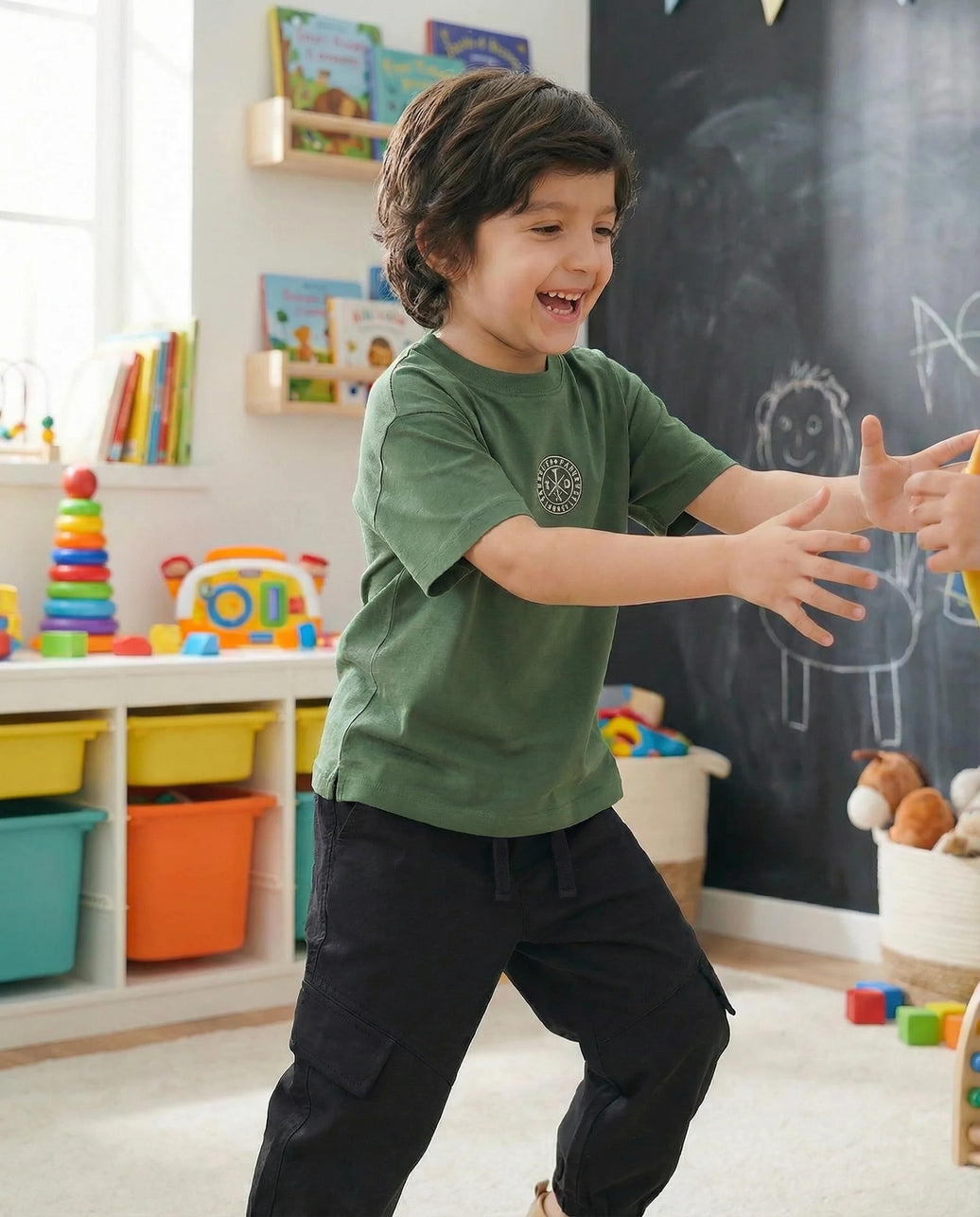
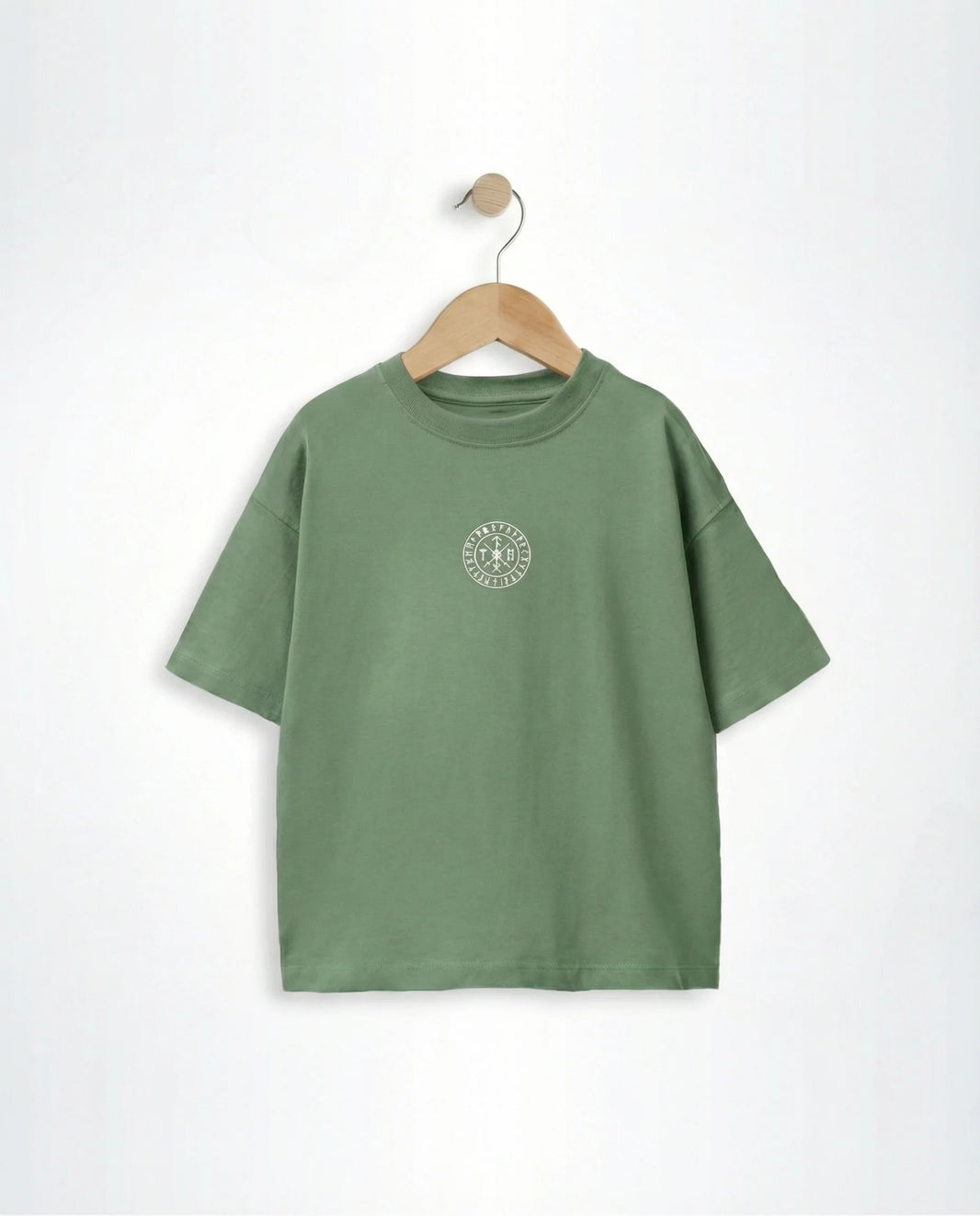
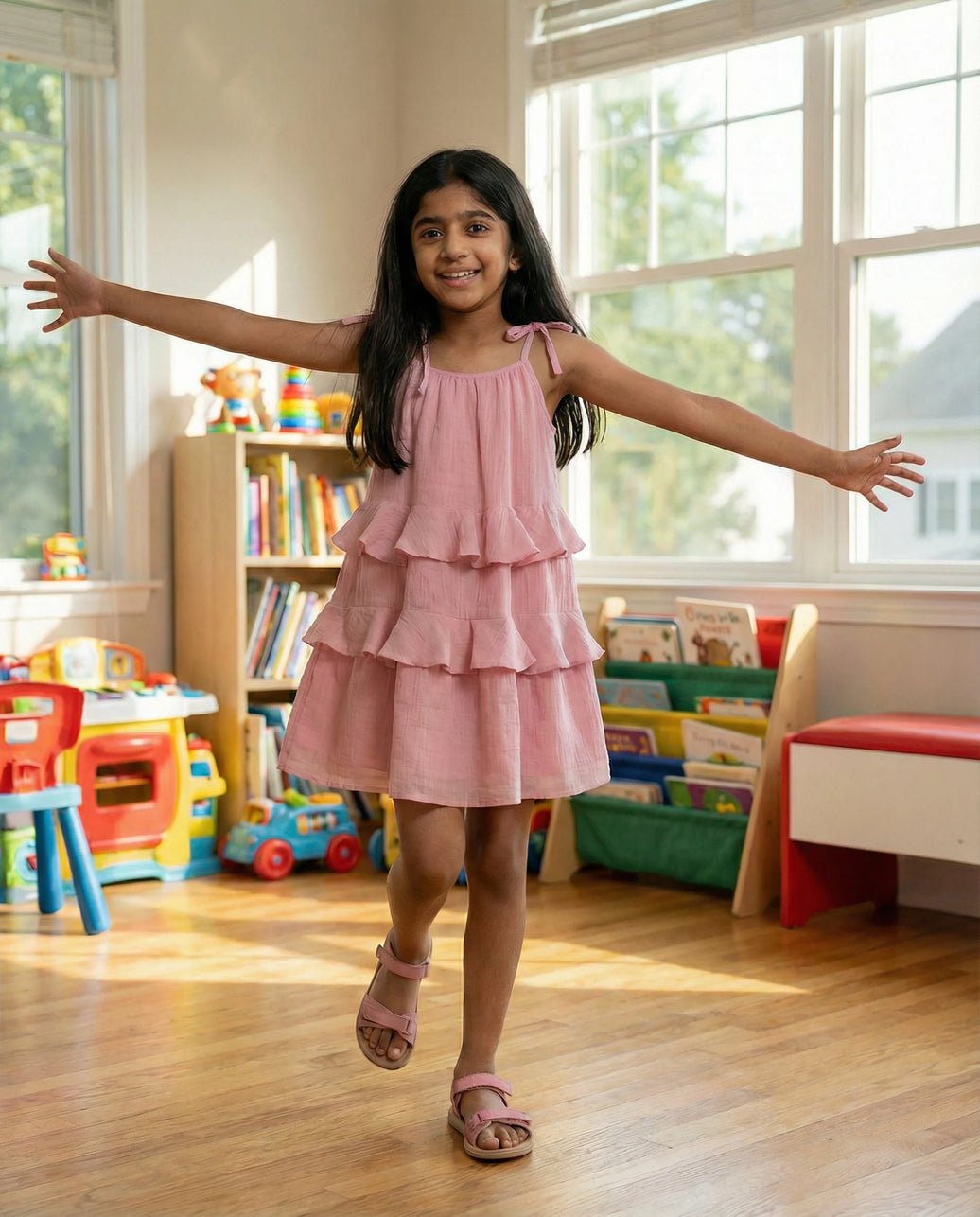
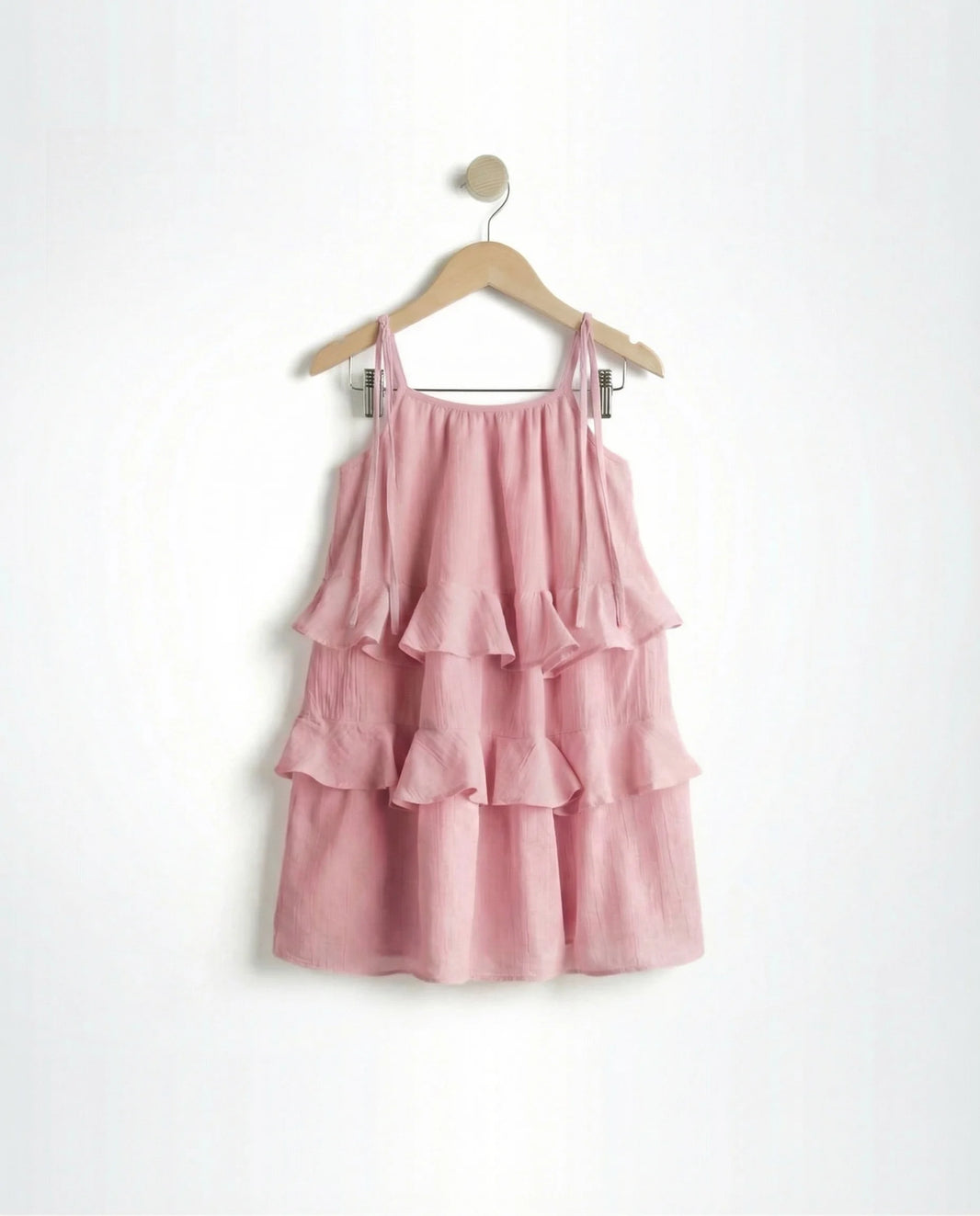
Explore our full range of sustainable kidswear for girls and boys sustainable cotton clothing at Sven & Yalva.